Charging Your EV With Solar Power at Home: What Byron Bay Owners Need to Know
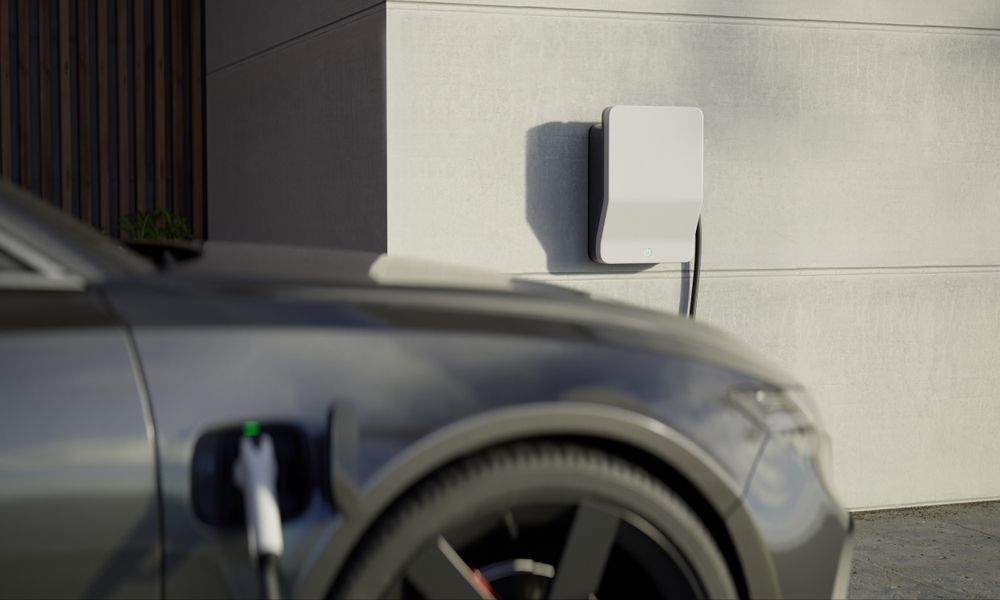
Owning an electric vehicle changes how you think about electricity use at home. Instead of relying entirely on public charging stations or overnight grid electricity, your rooftop solar system could supply some of the energy needed to charge your car.
For homeowners considering charging an EV with solar, the main questions are whether their existing panels are sufficient, when the car needs to be plugged in and whether additional equipment is necessary.
Understanding these factors can help you decide whether solar charging, overnight grid charging or a combination of both makes sense.
Quick Answer: Yes, & Here's What It Takes
You can charge an electric vehicle using electricity generated by rooftop solar panels. However, having solar installed does not automatically mean your car will charge entirely from solar energy. The amount available depends on your system's output, household consumption and when your vehicle is parked at home. With strong daytime solar exposure across the Northern Rivers, households may have opportunities to use surplus generation for vehicle charging. Those exploring solar in Byron Bay should consider their driving routines alongside their system's performance.
To charge your EV using solar, you generally need:
- A rooftop solar system generating electricity beyond your household's immediate needs.
- A suitable EV charging connection or compatible wall-mounted charger.
- A charging schedule that aligns with available solar generation.
The most practical setup depends on how these elements fit into your everyday routine.
How Solar EV Charging Actually Works at Home
Solar panels generate electricity during daylight hours, supplying household appliances before surplus electricity is exported to the grid or stored in a compatible battery. An EV charger draws electricity through your home's electrical system, potentially using available solar generation. Understanding where your excess solar power goes helps explain why daytime charging can be financially attractive. Electricity used to charge your car directly can offset electricity purchased at the full retail usage rate, while exports generally earn a lower feed-in tariff.
This makes daytime EV charging particularly useful for households that:
- Regularly export unused solar electricity during the middle of the day.
- Have a vehicle parked at home during peak generation periods.
- Want to increase their solar self-consumption rather than relying entirely on grid electricity.
Using more of your generated electricity at home can improve the financial value of your solar system, depending on your electricity plan.
Do You Need a Bigger Solar System to Charge an EV?
An existing solar system may already generate enough surplus electricity for EV charging. However, smaller systems or households with substantial daytime consumption may have less energy available. When assessing charging an EV with solar, compare your system's generation profile with household demand and vehicle charging requirements. A larger array may improve daytime charging opportunities, but upgrading panels is not always necessary. A compatible smart charger that responds to solar production may help make better use of existing generation.
Before deciding whether to expand your solar system:
- Review your electricity bills and solar monitoring data to identify regular export patterns.
- Consider future household electricity needs, including additional appliances or another electric vehicle.
- Have a qualified installer assess your roof space, inverter compatibility and electrical capacity.
An assessment of your existing equipment can help determine whether additional panels offer practical value.
Charging Modes Explained: Max Solar, Timer & Fast Charging
Modern EV chargers often offer several operating modes to help manage electricity consumption. Available functions depend on the brand, model and installation requirements. A solar-aware charger may adjust charging to follow surplus generation, while scheduled charging can take advantage of cheaper electricity periods. These options differ from off-grid solar systems, which operate independently of the electricity network and require suitable storage and system configurations.
Depending on the charger, available settings may include:
- Max-solar mode, which uses available surplus generation and may reduce or pause charging when production falls.
- Timer mode, which starts and stops charging during selected periods, such as off-peak electricity hours.
- Fast charging mode, which prioritises available charging capacity and may draw additional electricity from the grid.
Check the manufacturer's documentation for your specific unit, as charging modes, operating requirements and compatibility vary between products.
What If You Only Charge at Night? Batteries vs Timers
For homeowners whose vehicles are away during the day, direct solar charging presents a practical challenge. A car cannot use rooftop generation while parked elsewhere. This is particularly relevant to commuters returning home after peak solar production. Understanding how solar batteries work helps clarify the alternatives. A battery stores available electricity during the day for later household use, potentially including vehicle charging, depending on its capacity and configuration. However, installing storage solely for EV charging may not be financially suitable for every household.
For owners who mainly charge after sunset, the alternatives are:
- Battery storage that makes some daytime solar generation available during the evening.
- Scheduled grid charging that takes advantage of a suitable lower-cost overnight tariff.
- A mixed approach that uses solar electricity when the vehicle is home and grid power when needed.
The right arrangement depends on your driving schedule, electricity tariff and whether the potential benefits justify additional equipment.
Chargers We Install, Accreditation & What's Covered
At David Lewis Solahart, we help homeowners across Byron Bay and the Northern Rivers choose EV charging solutions that suit their existing solar systems, electrical infrastructure and daily driving habits.
We supply and install EV chargers from brands including GoodWe, SolarEdge and Tesla, subject to availability. We confirm the specific model during quoting and explain its charging features and warranty conditions before installation.
Our installers hold Clean Energy Council (CEC) accreditation, with NETCC accreditation forthcoming. While EV charger installation does not itself require CEC accreditation, it does require licensed electrical work. We complete installations under Electrician Licence 277281C and Contractor Licence 238815C.
We also help you understand warranty coverage. Under Solahart's warranty terms for products sold after 6 May 2026, GoodWe EV chargers have two years of cover, the SolarEdge ONE EV Charger has three years and the Enphase IQ EV Charger has five years. Enphase is included for warranty comparison rather than as a current supply offering.
These periods are shorter than the 15–30 years of defect cover on applicable Solahart modules and 10–15 years on batteries, with five years of labour cover on new PV systems. Exact terms depend on the product and range.
Whether you're upgrading your existing system or exploring charging an EV with solar for the first time, we'll assess your requirements before recommending equipment.
Book your free on-site solar assessment today. We'll inspect your existing system, check your switchboard, consider where your vehicle parks and discuss your charging habits to find a practical solution for your home.
Frequently Asked Questions
Can You Charge an Electric Vehicle in the Rain?
Yes. EV chargers and vehicle charging connections incorporate electrical safety measures for normal outdoor use when installed and operated according to manufacturer instructions. However, chargers must have suitable environmental protection ratings and be correctly positioned. Damaged charging cables, connectors or equipment should not be used.
Can Two Electric Vehicles Share One Home Charger?
Two electric vehicles can use the same home charger at different times, provided both vehicles have compatible charging connections. Households with multiple EVs should consider how frequently each vehicle needs charging and whether alternating access is practical. Additional charging infrastructure or load management may be worthwhile.
Will Installing an EV Charger Affect Home Insurance?
Installing an EV charger may affect insurance considerations depending on the insurer, property and installation arrangements. Homeowners should notify their insurer about significant electrical additions and confirm whether documentation is required. Keeping installation certificates and compliance records can help demonstrate that the equipment was installed by a licensed professional.
Does a Smart EV Charger Need an Internet Connection?
Some smart EV chargers use Wi-Fi or another network connection for remote monitoring, software updates and app-based controls. Basic charging may still operate without internet access, depending on the model. Homeowners should check connectivity requirements before purchasing, particularly if the installation location has limited wireless coverage.
Can You Take Your Home EV Charger When Moving House?
Some wall-mounted EV chargers can be removed and reinstalled at another property, provided the equipment remains suitable and compatible with the new electrical installation. Removal and reconnection must be completed by a licensed electrician. Homeowners should consider installation costs, existing wiring and manufacturer requirements before relocating equipment.