Solar Byron Bay Cost Breakdown: Installation, Rebates & Savings You Should Know
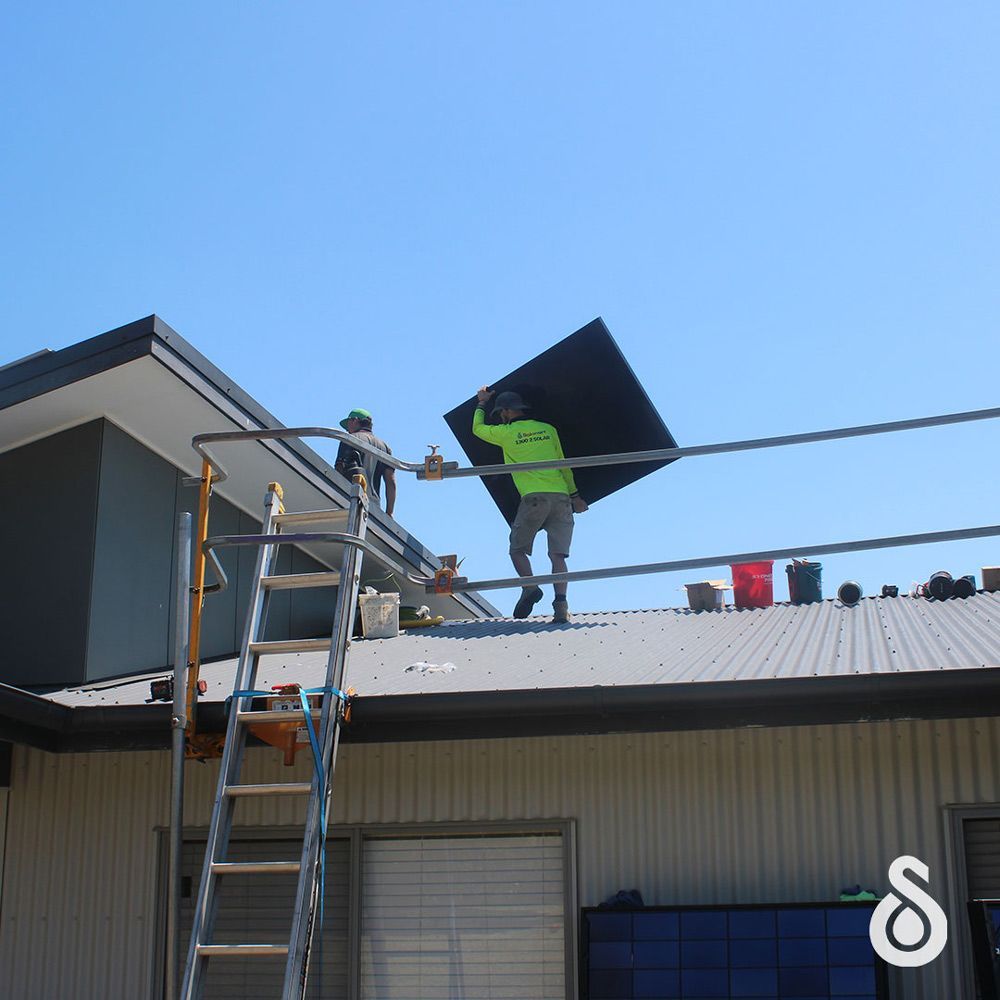
Rising power bills have pushed many homeowners to take a serious look at solar installations in Byron Bay as a long-term solution for controlling energy costs. While solar is widely recognised as a smart investment, the real question most people ask is simple: what does it actually cost, and how much can you realistically save? Understanding the full picture means looking beyond the upfront system price and considering installation, government incentives, feed-in tariffs and the long-term financial return.
A well-designed
solar system is not just a purchase. It is an investment in predictable energy costs and greater independence from the grid. Below is a clear breakdown of what goes into the cost of solar in Byron Bay and how the numbers stack up over time.
What Influences The Cost Of A Solar System
There is no single fixed price for a solar system. The cost depends on several factors that directly affect system performance, longevity and return on investment.
System size is one of the biggest variables. A larger household with high daytime energy use will require more panels and potentially a larger inverter. Roof orientation and shading also play a role. A north-facing roof with minimal shade will typically generate more electricity and may allow for a slightly smaller system to meet the same output goals.
The quality of components matters as well. Premium panels and inverters may cost more upfront but often deliver stronger performance, longer warranties and better long-term value.
Key cost factors include:
- System size in kilowatts
- Panel and inverter quality
- Roof pitch and installation complexity
- Meter upgrades or switchboard modifications
- Optional battery storage
When considering Solar Byron Bay, it is important to assess your household’s usage patterns first rather than choosing a system based solely on price.
Typical Installation Costs Explained
The upfront cost of solar installation Byron Bay generally includes more than just the panels on your roof. Installation pricing covers equipment, labour, system design, compliance requirements and grid connection.
For a standard residential system, pricing typically varies depending on capacity. Smaller systems designed to offset moderate usage will cost less than larger systems built to cover heavy energy demand or future expansion.
Installation costs commonly cover:
- Solar panels
- Inverter
- Mounting hardware
- Electrical wiring and safety components
- Labour and system commissioning
- Compliance certificates
Choosing a reputable provider ensures that installation is completed safely and in line with Australian standards. Cutting corners on installation can lead to reduced efficiency, warranty issues or costly repairs later on.
A professionally installed system is designed not just for performance on day one but for consistent output across decades.
Understanding Government Rebates And Incentives
One of the most significant factors reducing the upfront cost of Solar Byron Bay is the federal Small-scale Renewable Energy Scheme. Under this program, eligible systems receive Small-scale Technology Certificates, which effectively act as a point-of-sale discount.
The number of certificates you receive depends on system size and expected output. These certificates are usually applied as an upfront reduction in the quoted price rather than something you need to claim separately.
In addition to federal incentives, feed-in tariffs allow homeowners to receive credit for excess electricity exported to the grid.
Key financial incentives include:
- Federal Small-scale Technology Certificates
- Retailer feed-in tariffs
- Potential interest-free or green finance options
While rebate values gradually reduce each year, they still make a meaningful difference to total system cost. Acting sooner rather than later can help maximise available incentives.
Feed-In Tariffs And Ongoing Credits
Feed-in tariffs are payments or credits you receive for exporting unused solar energy back to the grid. While rates vary depending on your electricity retailer, they contribute to overall savings.
It is important to understand that feed-in tariffs are generally lower than the cost of buying electricity from the grid. For this reason, the greatest financial benefit comes from using as much of your solar power as possible during the day.
Strategies to maximise value include:
- Running appliances during daylight hours
- Setting timers for pool pumps and hot water systems
- Considering battery storage for evening use
When evaluating Solar Byron Bay, feed-in tariffs should be viewed as a bonus rather than the primary driver of savings. Self-consumption remains the most effective way to reduce electricity bills.
Calculating Long-Term Electricity Savings
The real value of solar becomes clear when looking at long-term savings. While the upfront cost may seem substantial, ongoing reductions in electricity bills can offset that investment within several years.
Payback periods vary depending on system size, energy usage and electricity rates. Many households see payback within five to seven years, after which the electricity generated is effectively free aside from minimal maintenance.
Long-term financial benefits include:
- Reduced quarterly power bills
- Protection from rising electricity prices
- Increased property appeal
- Decades of energy production
Over a 20 to 25 year lifespan, a well-installed system can generate significant cumulative savings. This is why Solar Byron Bay is often viewed as a strategic financial decision rather than a simple home upgrade.
The Role Of Battery Storage
Battery systems are becoming more popular as homeowners seek greater energy independence. While adding a battery increases upfront costs, it allows excess daytime energy to be stored for use at night.
Without a battery, unused solar energy is exported to the grid at feed-in tariff rates. With storage, you can use more of your own electricity and reduce reliance on grid power.
Battery considerations include:
- Higher upfront investment
- Greater self-consumption
- Backup power capability in some systems
- Potential future expansion
For some households, battery storage makes financial sense immediately. For others, installing a battery-ready system now and adding storage later can be a practical approach.
A tailored assessment is essential before deciding whether battery integration suits your budget and usage.
Maintenance And System Longevity
Solar systems are designed for durability, but ongoing maintenance helps protect performance. Panels generally require minimal upkeep, though occasional cleaning can improve efficiency if dust or debris accumulates.
Inverters typically have shorter lifespans than panels and may require replacement once during the system’s lifetime.
To protect your investment in solar installation Byron Bay, consider:
- Periodic visual inspections
- Monitoring system performance through apps or portals
- Professional servicing if output drops unexpectedly
Most quality panels come with performance warranties of 25 years, while inverters often carry warranties between five and 15 years. Choosing reliable components at the outset can reduce long-term maintenance costs.
Why Professional Installation Matters
The cheapest quote is not always the best value. System design, component matching and compliance standards all influence performance and safety.
Professional providers assess:
- Household energy usage patterns
- Roof layout and orientation
- Future energy needs
- Electrical infrastructure compatibility
A properly designed Solar Byron Bay system should balance affordability with performance. Undersized systems may fail to offset bills effectively, while oversized systems may not deliver proportional financial returns.
Working with an experienced team ensures accurate system sizing, safe installation and transparent cost breakdowns. It also provides peace of mind that warranties and compliance requirements are properly handled.
Take Control Of Your Energy Future
Investing in solar is ultimately about gaining certainty in an unpredictable energy market. We at David Lewis Solahart understand the unique energy demands and rising electricity costs affecting homeowners in Byron Bay and the surrounding Northern Rivers region. Our team provides clear advice, transparent pricing and professional solar installation in Byron Bay designed for long-term performance.
If you are considering solar in Byron Bay and want a detailed breakdown tailored to your home, visit our website to learn more or contact us to arrange a consultation. Let’s help you reduce your energy costs and move towards a more sustainable future with confidence.